Security · February 1, 2026
When AI Agents Become Attack Vectors
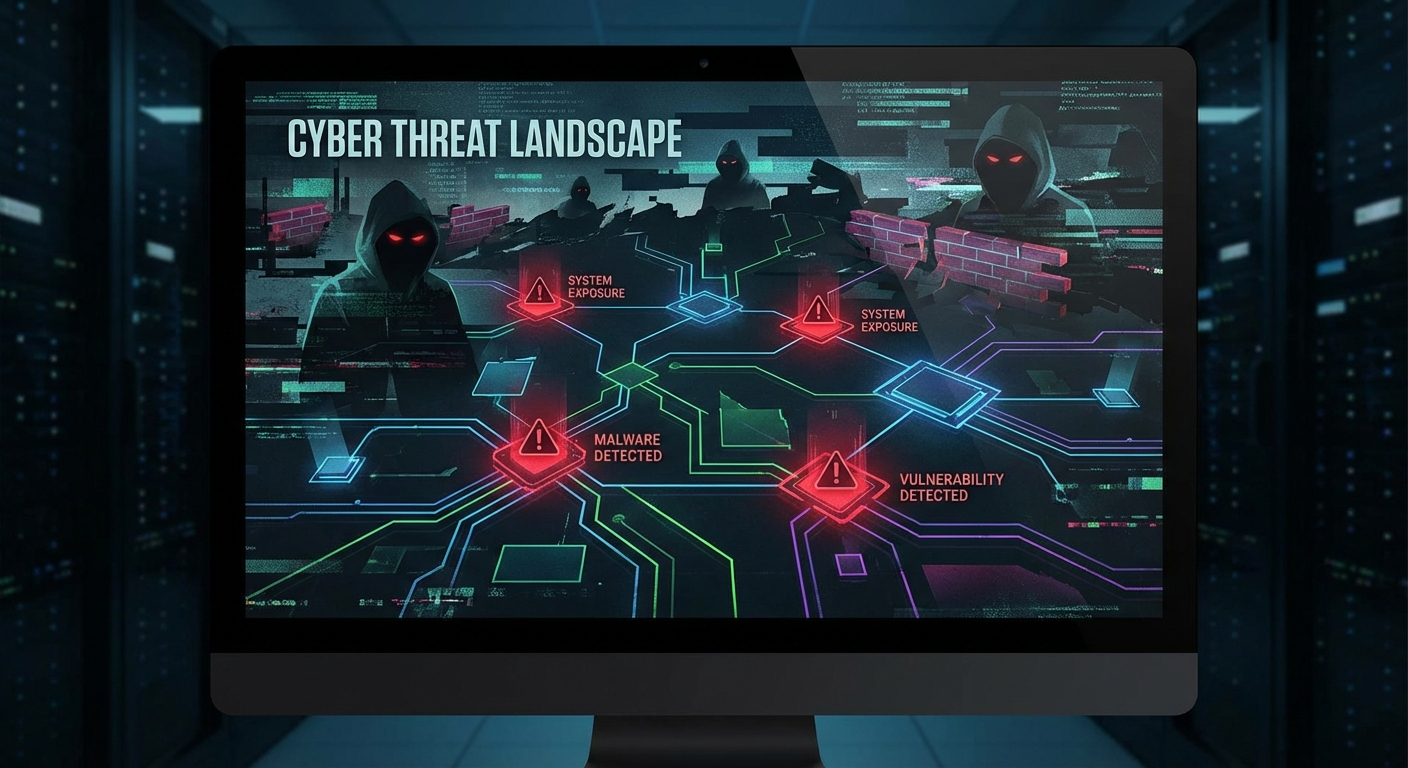
Agent platforms are moving from suggestions to production-capable action: executing commands, opening PRs, changing infrastructure, and triggering workflows.
Security research around exposed agent infrastructure points to the same design flaw: when credentials, permissions, and authorization decisions all live inside the agent runtime, compromise of the agent can become compromise of the action path.
This is not a single-project problem. It is an industry pattern: capability is moving faster than authorization architecture.
The Real Issue: Authorization Lives Inside the Agent
The recurring flaw is that the agent decides what it is allowed to do. Credentials, permissions, and authorization all live inside the agent's context.
When the agent was compromised, everything it could access was compromised too. API keys. OAuth tokens. Cloud credentials. Production deploy permissions.
This is the architectural mistake the entire AI agent ecosystem is making:
If authorization lives inside the agent, compromising the agent compromises everything.
It doesn't matter how good your agent's sandbox is. It doesn't matter how careful your prompt engineering is. If the agent holds the keys, the agent is the attack surface.
Authorization Must Live Outside the Agent
The fix isn't better agent security. It's moving authorization out of the agent entirely.
An AI agent should be able to request permission to deploy. It should never be able to grant itself permission.
This means:
- No deploy without a signed receipt. The agent can ask. A human (or policy) approves. The approval is cryptographic, not a flag in a database.
- Scoped authorization. Each receipt authorizes one specific action: this repo, this commit, this environment. Nothing more.
- Tamper-evident receipt trail. Every authorization decision records who approved what, when, and with what scope. Altering the receipt invalidates the signature.
- Fail-closed enforcement. No receipt? No deploy. Not "log a warning." Not "alert someone." Hard stop.
What This Looks Like in Practice
Your AI agent pushes code and opens a PR. CI runs. Tests pass. The deploy gate fires.
❌ Deploy blocked: No authorization receipt found.
   → Approve at: https://app.permissionprotocol.com/approve/abc123
A human clicks the link. Reviews the change. Approves.
{
  "status": "APPROVED",
  "scope": {
    "repo": "acme/backend",
    "sha": "a1b2c3d",
    "env": "production"
  },
  "approver": "[email protected]",
  "signature": "0x...",
  "receipt": "pp_receipt_..."
}
The agent never held the authorization. It cannot mint a valid receipt by itself. The receipt exists independently of the agent, and the deploy pipeline verifies it independently too.
Agent Platforms Prove the Thesis
We're not anti-AI-agent. We run AI agents. The question was never "should AI agents exist?" The question is: "who authorizes what they do?"
Agent platforms show that AI systems can be astonishingly capable. Capability without external authorization is a liability.
The answer isn't to slow down. It's to add the missing layer.
No receipt. No deploy.
Add a deploy gate to the first repo where agents touch production.
Install Deploy Gate →